
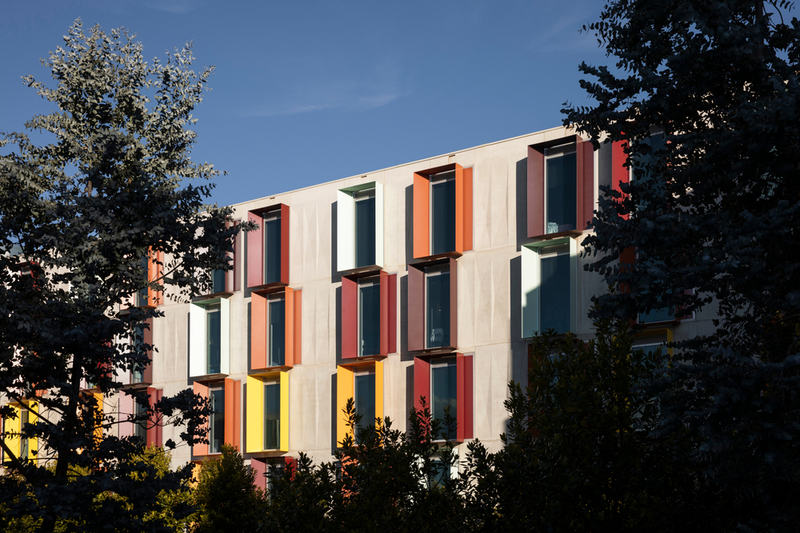
Moving into university halls is often the first time you have lived away from home, so it is natural to wonder what will be waiting when you arrive. Halls usually provide essential furniture, kitchen facilities and household services, but few personal items.
The contents vary between universities, buildings and room types. Even halls run by the same university can differ, so check the inventory and accommodation agreement for your room. Still, most follow a familiar pattern.
What Is Included in Your Bedroom?
A standard room normally contains a single bed, although some newer halls provide a small double or three-quarter-size bed. You should also expect a mattress, wardrobe, desk, chair, shelves or other storage, curtains or blinds, a ceiling light and a wastepaper bin.
Some rooms also include a bedside table, noticeboard, full-length mirror, desk lamp or washbasin, though none is guaranteed.
Bedding is not usually provided. You will generally need your own duvet, pillows, sheets, duvet covers and pillowcases. Check the mattress size before buying fitted sheets because not every hall uses a standard single bed. A mattress protector may be supplied or required, but it is sensible to bring one unless the university says otherwise.
Do not assume there will be a television, mini-fridge or kettle in your bedroom. Halls often restrict such items for safety reasons.
What Do You Get in an En-Suite Room?
An en-suite room has its own private bathroom attached to the bedroom. This normally contains a toilet, shower, washbasin, mirror and some form of bathroom storage. A shower curtain or door and a toilet-roll holder should also be fitted.
You will still need towels, toilet roll, toiletries, a bathmat and cleaning products unless they are specifically listed. You will usually clean your own en-suite.
If you choose a room with a shared bathroom, the same main fixtures will be provided, but several residents will use them. Shared bathrooms may be cleaned by staff, although the frequency and exact service vary considerably.
What Is Provided in a Shared Kitchen?

Self-catered halls usually have a kitchen shared by everyone in the flat or corridor. At minimum, you can normally expect ovens or combination ovens, hobs, fridges, freezers, sinks, cupboards and worktops. Most also provide a microwave, kettle, toaster and dining table or breakfast bar with chairs.
Fridge, freezer and cupboard space can be limited, and you may be assigned a particular shelf or cupboard.
Cooking equipment and tableware are often not included. Unless the accommodation inventory says differently, expect to bring or buy your own saucepan, frying pan, baking tray, chopping board, sharp knife, wooden spoon, tin opener, plates, bowls, mug, glass and cutlery. Washing-up liquid, sponges, tea towels, bin bags and food are also your responsibility.
If possible, speak to your future flatmates before buying everything. Sharing a few inexpensive items can save money and cupboard space.
What About Catered Halls?
In catered halls, some meals are included in the accommodation price. The package might cover breakfast and an evening meal on weekdays, a set number of meals each week or credit to spend in university food outlets. Weekend and holiday arrangements may be different.
Catered accommodation does not mean every meal is provided. Many halls offer a small kitchenette with a fridge, microwave, kettle and sink, but no oven or hob. Check what you can prepare outside catering hours.
Are Bills and Wi-Fi Included?

Utility bills are normally included in the rent for university-managed halls. This generally covers electricity, heating and water, so you do not have to open accounts with energy suppliers or divide bills between flatmates. Some providers have fair-usage rules, however, so included bills do not mean energy can be used without limits.
Internet access is also usually included. Wi-Fi should cover bedrooms and shared areas, and some rooms have a wired connection. Speeds and reliability differ between buildings.
Your rent may cover basic contents insurance, but exclusions and claim limits can apply. Read the policy rather than assuming expensive belongings are fully covered.
A television licence is not normally included. Whether you need one depends on what you watch and how you watch it, so check the current TV Licensing rules. You may also need a separate licence for your bedroom even if there is one in a communal area.
Are Cleaning and Laundry Included?
Cleaners may look after corridors and other communal areas. In some halls, they also clean shared kitchens and bathrooms. They will not usually wash dishes, clear personal belongings or clean bedrooms. Residents remain responsible for everyday tidying, spills and rubbish.
Halls generally provide vacuum cleaners, mops, buckets, brushes and dustpans, either inside each flat or from a central store. Cleaning sprays, cloths and other consumable products may not be supplied.
Laundry rooms are common, but using the washing machines and tumble dryers usually costs extra. You will need your own detergent, and payment is often made through an app or laundry card. An iron and ironing board might be available, but check before relying on them.
What Shared Facilities Might Be Included?
Most halls have a reception, post area, bicycle storage and waste facilities. You may also get a common room, television lounge, study space, games area, gym or courtyard. Some facilities, including parking or gyms, can cost extra.
Maintenance support and security are normally included. This could mean secure entry, CCTV, overnight staff or a university security team. Your hall should explain how to report repairs and get help outside office hours.
Check Before You Start Packing
University halls give you the foundations of a home rather than a fully equipped one. Your room should contain the main furniture, while shared areas provide the large appliances and essential facilities. Personal bedding, towels, kitchenware, food and everyday supplies are normally left to you.
The safest approach is to find the official inventory for your exact hall and room type. It will prevent you from arriving without an essential item or spending money on something already provided. If the information is unclear, ask the accommodation team directly: halls differ, and their answer matters more than any generic packing list.


